



Focusing on quality and safety: the "lifeline" that steel wire rope manufacturers must strictly adhere to.
As an indispensable key component in many industrial fields such as hoisting, transportation, mining, and construction, the quality of steel wire rope directly affects project safety and the protection of life and property. Recently, industry experts and regulatory agencies have been calling on Steel Wire Rope Manufacturers to prioritize quality control and safety standards in production. Negligence at any stage, from raw material selection to final product delivery, can potentially lead to significant hidden dangers.
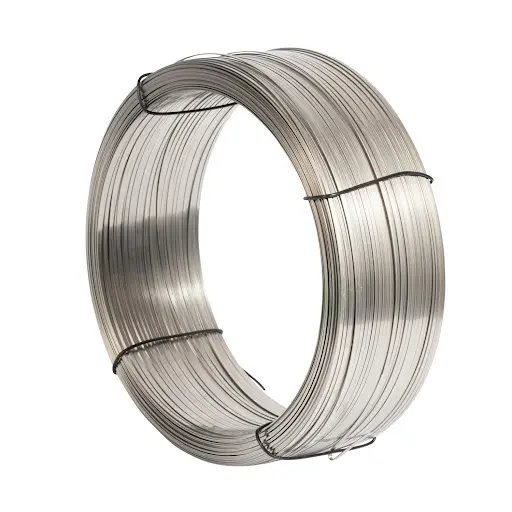
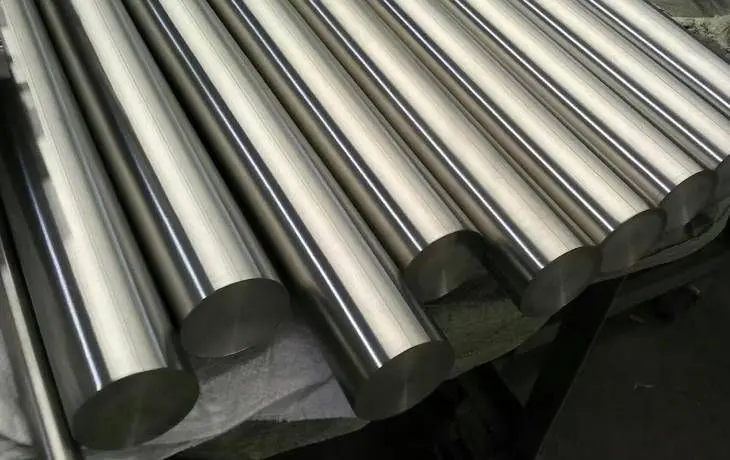
Raw Material Control: Steel Wire is the "Skeleton," and Its Quality Cannot Be Failed The performance of steel wire rope is fundamentally based on the quality of its constituent steel wires. Manufacturers must adhere to the following points when purchasing and using steel wire:
- Precise Matching of Strength and Specifications: Strictly inspect the wire according to the tensile strength, diameter accuracy (e.g., high-precision applications require inspection equipment with an accuracy of 0.001mm), and chemical composition required by the product design. Any substandard steel wire may result in insufficient load-bearing capacity or premature fatigue fracture in the finished product.
- Corrosion Prevention and Lubrication: Especially for steel wires used in corrosive environments, the uniformity and adhesion of their coatings (such as galvanization) must be ensured. Simultaneously, high-quality grease should be compatible with the lubricant used in the steel wire rope manufacturing process to provide long-lasting rust prevention and friction reduction protection.
Twisting and Structure: Core Technology Determines Rope Life
Twisting is a crucial step in giving wire rope its specific mechanical properties, and its technical aspects are extremely complex:
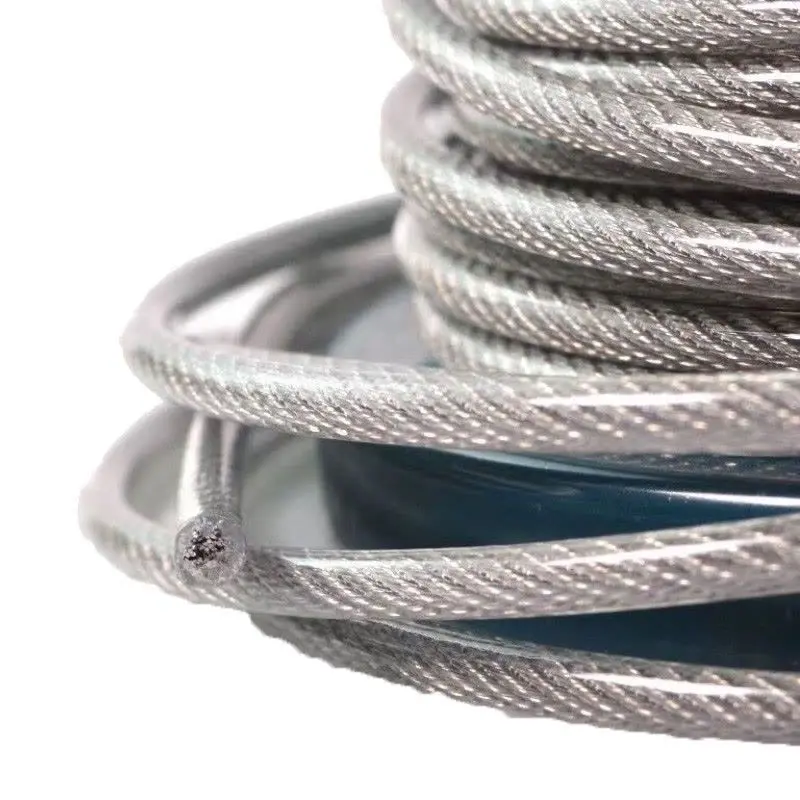
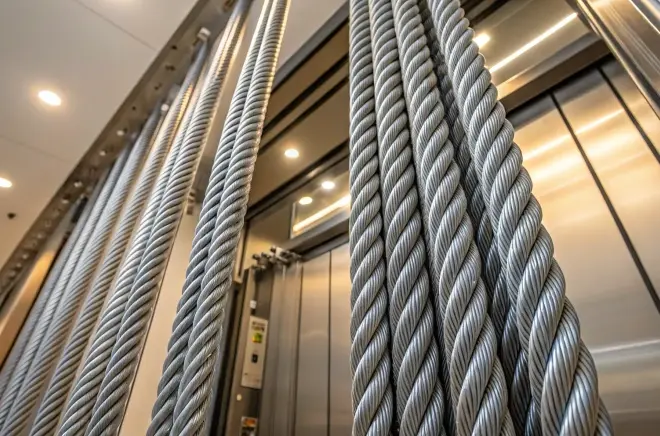
- Twisting Structure Precision: Whether it's ordinary wire rope or specially structured braided wire rope (such as flat, square, or hexagonal), precise strand spacing, twist direction, and twist angle are required during the twisting process. Improper twisting can lead to uneven stress distribution in the strands, reducing fatigue life.
- Core Selection and Treatment: The selection of the core (such as fiber core or metal core) and its compatibility with the wire strands are crucial. For example, for ropes that need to withstand compressive or bending stress, the elasticity, toughness, and dimensional stability of the core need to be precisely controlled.
- Expert Tip: "During the twisting process, any tiny tension fluctuation can affect the internal stress balance of the final wire rope. Companies must regularly calibrate stranding machines and rope-forming machines to ensure constant and uniform tension."
Inspection and Marking: Providing "Identity" for Safety
Pre-shipment inspection is the last line of defense to ensure user safety.
- Comprehensive Physical Performance Testing: Minimum breaking strength test and repeated wire bending test must be conducted to ensure that all indicators meet national standards and industry specifications.
- Non-destructive Testing (MRT): For high-end steel wire ropes for specific applications, magnetic or other non-destructive testing techniques should be used to regularly check for signs of deterioration such as broken wires, corrosion, or wear.
- Clear Certificates and Markings: Each batch of steel wire rope should be accompanied by a complete quality certificate, clearly indicating its specifications, breaking strength, and other key parameters, so that users can verify them during installation and use to ensure that the installed rope does not fall below the values specified by the equipment manufacturer.
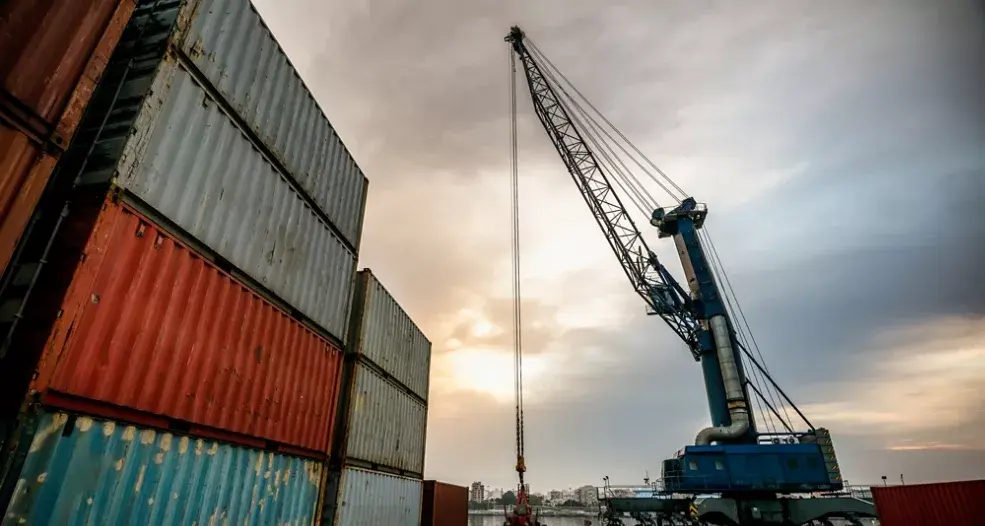
Storage and Transportation: "Hidden Damage" Caused by Improper Handling
In addition to the manufacturing process, the unloading, storage, and transportation maintenance of finished products are equally important:
- Avoid Light and Corrosion: Steel wire ropes should be stored in a dry, ventilated environment, avoiding direct sunlight and proximity to heat sources (such as boilers), and should be protected from the effects of chemicals or corrosive fumes, otherwise it may lead to lubricant failure or surface corrosion.
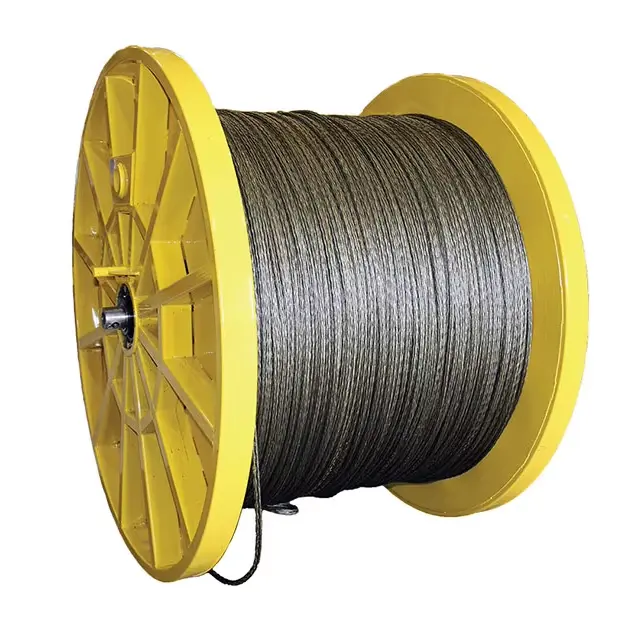
- Proper Placement: Wire rope drums should not be placed directly on the ground. Always place sleepers or similar materials underneath to prevent moisture and rust. In warm environments, the drum should be rotated half a turn periodically to prevent lubricant loss.
In conclusion, wire rope manufacturing is a high-tech industrial activity, and its safety performance is directly related to public safety. Enterprises should hold themselves to the highest standards and build a complete quality assurance system from "source" to "shipping" to remain competitive in the fierce market and provide a solid and reliable guarantee for national infrastructure construction.